

Why Debriefing Matters
Complications and resuscitations can be difficult to revisit, especially when emotions are still close to the surface. But some of our greatest opportunities for growth come from thoughtfully reviewing the births that stay with us.
Every birth has something to teach us. Complications — regardless of outcome — often reveal important insights about clinical judgment, communication, leadership, preparedness, boundaries, intuition, and decision-making under stress.
In out-of-hospital birth work, there is often little formal supervision or structured case review. Debriefing creates space to thoughtfully reflect, learn, integrate experience, and continue growing both clinically and personally.
This is how we deepen awareness, strengthen skills, and improve the quality of care we provide.
Book a Debrief
All debriefs are confidential
When to do a debrief:
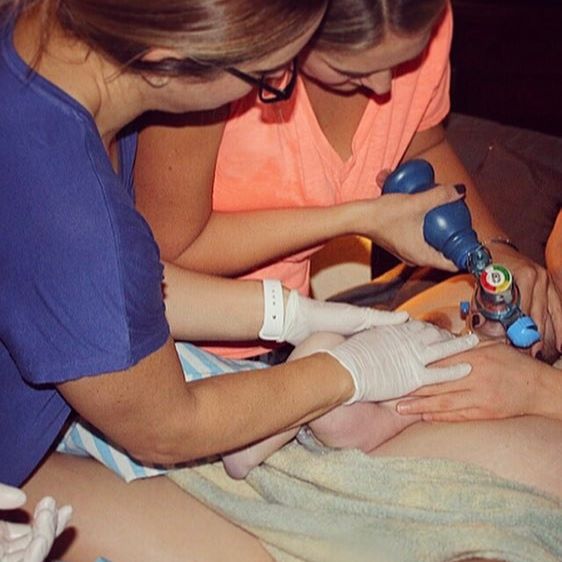
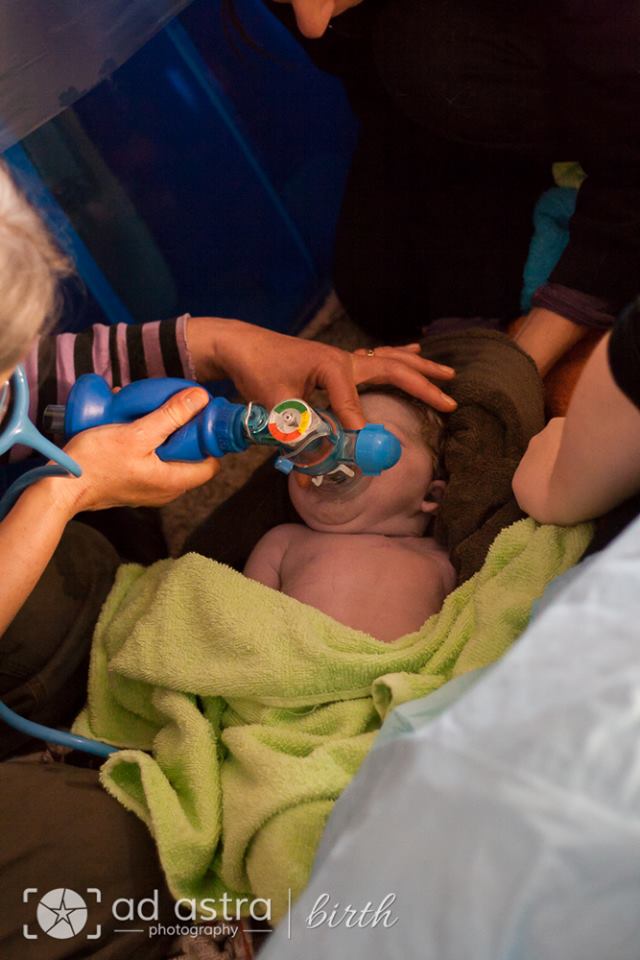
Karen provides one-on-one clinical debriefs and case reviews with birth professionals following complications, resuscitations, difficult births, losses, or experiences that continue to feel unresolved — including births with good outcomes.
These sessions are designed to thoughtfully review the sequence of events, clinical thinking, communication, emotional dynamics, interventions, responses, decision-making, and overall flow of care surrounding a birth experience. The goal is not blame or criticism, but reflection, integration, learning, and professional growth.
In many professions, this type of process is known as supervision, reflective practice, or professional review. In out-of-hospital birth work, however, there is often little formal opportunity for structured reflection after difficult or high-intensity experiences. As a result, many providers carry unresolved fear, confusion, self-doubt, or unanswered questions without ever fully processing or learning from what occurred.
Debriefing creates space to slow down and thoughtfully examine the experience with someone familiar with the terrain of community birth, neonatal resuscitation, and the emotional complexity that can accompany complications — even when the outcome is ultimately good.
One of the central goals of debriefing is to identify opportunities for deeper awareness and growth:
What went well?
What was missed or normalized?
What influenced decision-making in the moment?
Were there stacked concerns or shifting boundaries?
What might be done differently next time?
What can be strengthened clinically, emotionally, relationally, or systemically?
Every birth has something to teach us, but complications often provide especially rich opportunities for reflection and professional development regardless of outcome.
Karen has completed over 1,000 hours of debriefs and has extensive experience supporting birth professionals as they process, integrate, and learn from difficult or significant clinical experiences.
Why do a debrief?
Debriefing provides an opportunity to thoughtfully reflect on a birth experience, gain clarity, and better understand the many layers that shaped what happened in real time.
These conversations often help birth professionals:
identify what went well and what could be strengthened
improve clinical judgment, recognition, preparedness, and response
reduce future hesitation and increase confidence during emergencies
better understand decision-making under stress
recognize stacked concerns, shifting dynamics, or missed opportunities
evaluate communication, leadership, teamwork, and professional boundaries
integrate emotional responses instead of carrying unresolved fear or self-doubt
process experiences that continue to feel emotionally or clinically unresolved
strengthen intuition alongside clinical reasoning and pattern recognition
reduce isolation by engaging in reflective professional dialogue
One of the most important aspects of debriefing is recognizing that complications can offer profound opportunities for learning regardless of outcome. Even when a baby does well, reviewing the experience often reveals important insights about communication, timing, leadership, clinical thinking, equipment use, emotional regulation, preparedness, and systems issues that may otherwise go unnoticed.
Every birth has something to teach us. Complications and resuscitations often become especially powerful opportunities for growth when we are willing to revisit them honestly and thoughtfully.
In many professions, this type of reflective review is considered a normal and essential part of professional development. In out-of-hospital birth work, however, many providers work in relative isolation without formal supervision or structured opportunities for case review. As a result, important opportunities for growth, integration, and support are often missed.
Debriefing helps create space for that process.
Karen also incorporates discussion around intuition and “authoritative knowledge” as part of clinical decision-making in birth work, including how experience, pattern recognition, embodied awareness, and nervous system responses influence perception and action during high-intensity moments.
Most people report feeling significantly clearer, more grounded, and more integrated after completing a debrief.
Debrief Fees
Debrief sessions are offered on a sliding scale, generally ranging from $150–$250 per person depending on the length and complexity of the case.
Many debriefs involve not only reviewing clinical events, but also unpacking emotional responses, communication dynamics, professional boundaries, decision-making under stress, and opportunities for future growth and integration.
In many professions, this type of reflective supervision or professional review is considered a normal and valuable part of ongoing professional development.
We do not want cost to become a barrier to reflection, learning, or support. If finances are difficult, please reach out. Payment plans can be arranged when needed.